
Soap raw materials start from grease and generally go through the following processes.
1. Saponification
The oil reacts with the base to produce the higher fatty acid sodium and glycerin (and some water), which is one step in the process of making soap.
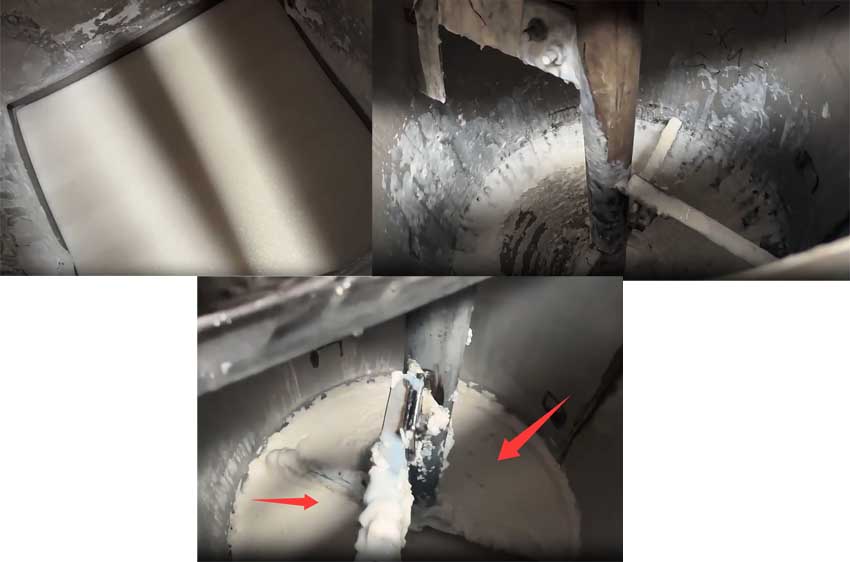
In the saponification pot, fully stirred and heated, the grease layer gradually reduced, the liquid does not appear stratified, the saponification reaction is completed.
2. Salting out
In the closed soap, add salt or saturated salt water to separate the soap from the dilute glycerin water. The lower concentration at which the soap precipitates is called the salting-out concentration. After the closed soap glue is salted out, the upper soap is called soap granules; The lower layer of salted glycerin water is drained from the bottom of the soap pan to recover the glycerin.
3 .Wash
After separating the waste liquid, add water and steam to boil the soap granules, so that it becomes a uniform soap glue from the dissolving state, and washes out the remaining glycerin, pigment and impurities.
4. Alkali analysis
The glycerin, salt, pigment and impurities in the soap grains were further washed out by alkali analysis in order to saponify the remaining oil in the soap grains. The lower alkali concentration that precipitates out completely is called the alkali water concentration. Adjust enough to split the soap into upper and lower soap phases. The upper layer is the pure soap base, and the lower layer is the soap foot. The soap foot is dark in color and has many impurities, which are generally reused in the next pot of alkali analysis.
5. The saponification vacuum drying system is a high-temperature liquid soap base (fatty acid Na) formed by the interaction of animal and vegetable oils (the main component fatty acids) with alkali, and then glycerin, additives and other ingredients are added at the same time in the process, and then the soap base is changed from liquid to flake solid under the vacuum of the vacuum dryer due to the rapid evaporation of water, and the soap base is squeezed and ground by the refining machine to become soap granules.
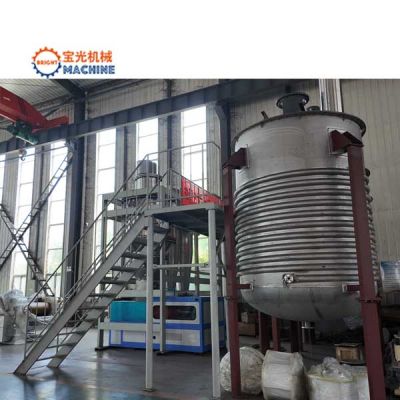
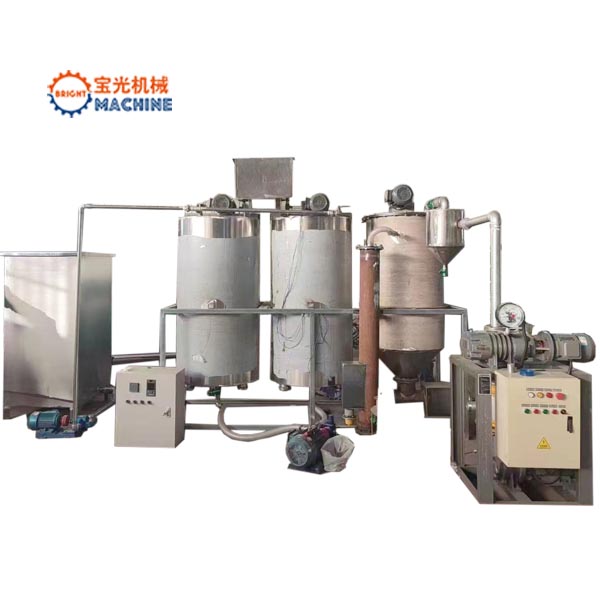
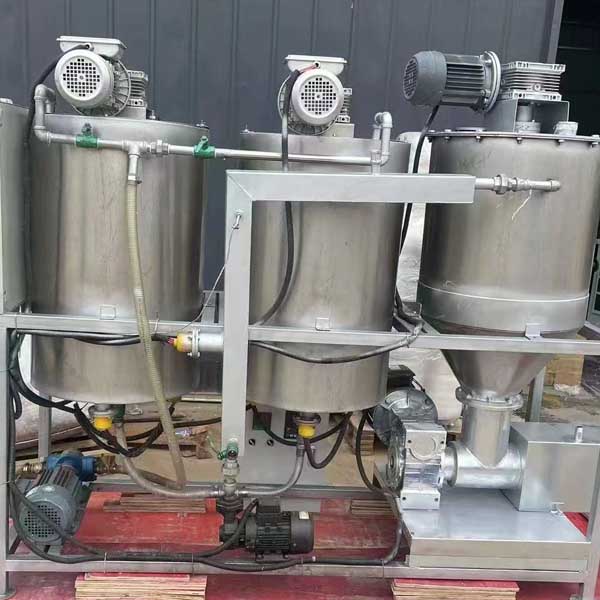
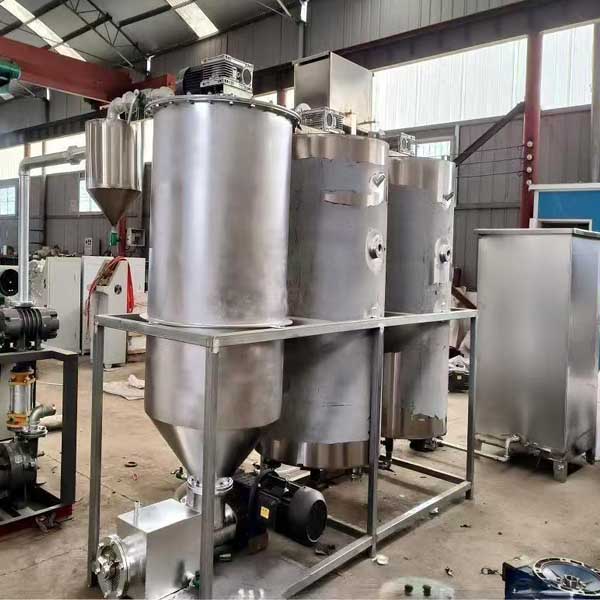
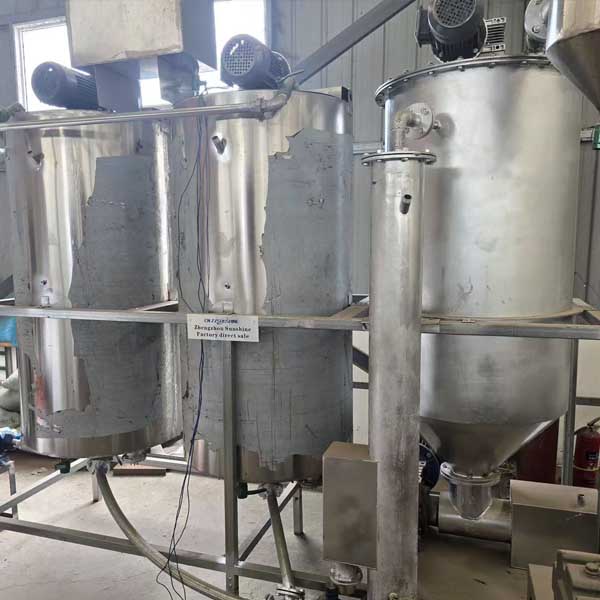
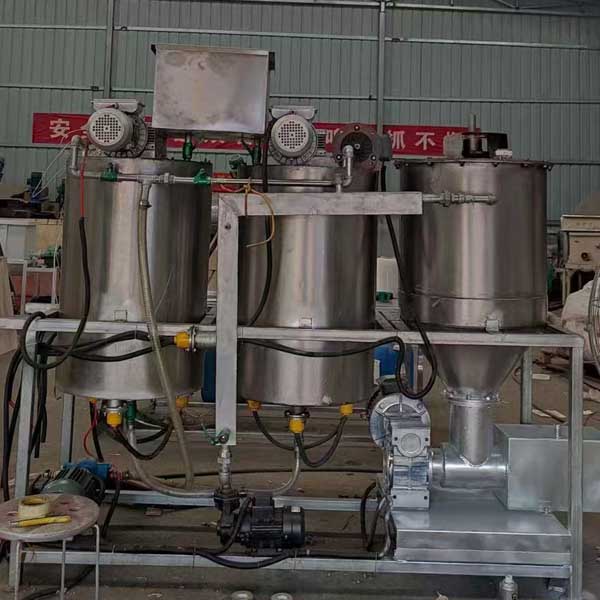
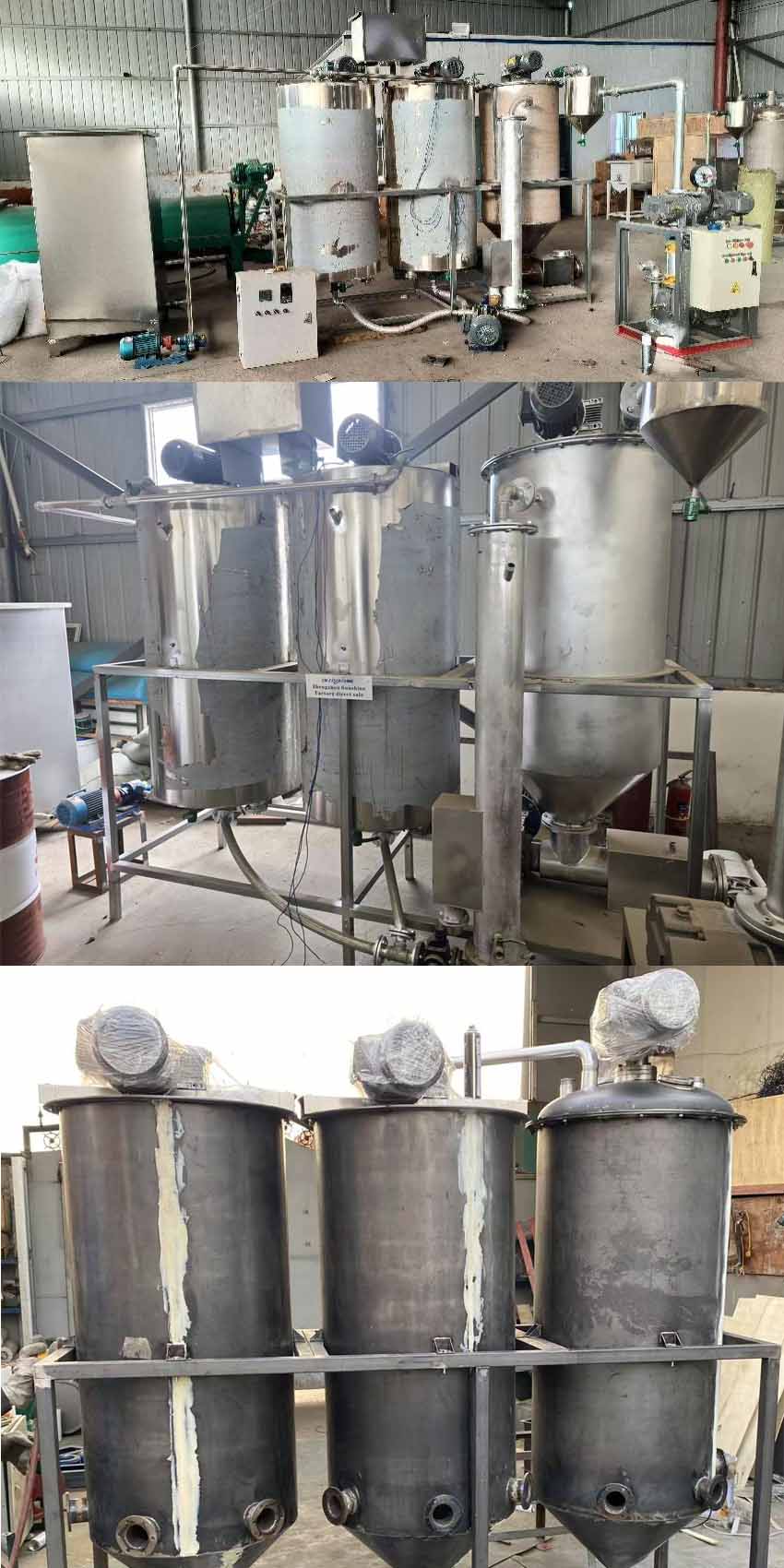
Industrial Automatic Soap Saponification Machine & Reaction Equipment
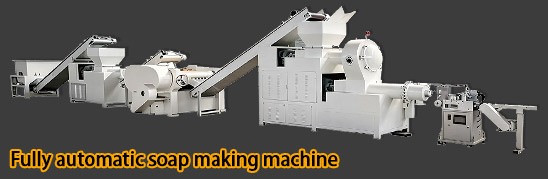
Welcome to Tianjin Bright Machinery Equipment Co., Ltd. (TJ Bright), an industry-leading manufacturer and global exporter of high-performance automatic soap saponification machines. Engineered for optimal thermal efficiency and process stability, our advanced saponification units seamlessly transform oils, fats, fatty acids, and caustic soda into high-purity soap noodles, laundry soap bases, and toilet soap stock.
With over two decades of manufacturing excellence, TJ Bright delivers both standardized and custom-engineered soap saponification reaction systems with capacities ranging from 300 kg/h to 5,000 kg/h. Whether you are establishing a new soap factory or upgrading an existing production plant, our saponification machinery offers high reliability, maximum chemical conversion, and significant operational savings.
Precision Engineering in Soap Saponification Reaction
The saponification process is the foundational chemical phase in soap manufacturing. Achieving uniform total fatty matter (TFM) content and eliminating free alkali requires precision chemical dosing, temperature management, and intense mechanical agitation.
Our industrial saponification machine integrates state-of-the-art reaction technology into an automated production unit:
Automated Metering & Dosing System: Delivers precise proportional ratios of natural vegetable oils (palm oil, coconut oil), animal fats (tallow), or distilled fatty acids alongside sodium hydroxide (caustic soda) solution.
High-Efficiency Saponification Reactor (Crutcher Unit): Features heavy-duty agitator blades and a jacketed heating structure designed to accelerate saponification kinetics, ensuring total triglyceride conversion.
Homogenization & Thermal Exchanger: Ensures consistent fluid movement, uniform reaction heat distribution, and prevents material localized overheating or unreacted grease pockets.
Glycerine Extraction & Brine Washing Section: Facilitates multi-stage counter-current washing to extract high-value glycerine while refining the soap paste quality.
Vacuum Drying & Cooling Integration: Transitions liquid saponified soap into dried, moisture-regulated soap neat, ready for vacuum extrusion and soap noodle forming.
Key Features & Technical Advantages
Global B2B buyers choose TJ Bright soap saponification reaction equipment for its superior build quality and performance advantages:
High Saponification Efficiency & Low Energy Use: Optimized internal jacket heating and rapid mass transfer design reduce steam and power consumption by up to 20% over traditional batch kettles.
Robust Stainless Steel Construction: Contact areas are built from heavy-gauge SS304 or SS316 corrosion-resistant stainless steel to resist aggressive caustic alkali and prolong machine service life under 24/7 continuous operations.
Intelligent Siemens PLC Automation: Equipped with user-friendly touchscreen controls, multi-recipe memory storage, digital temperature sensors, and real-time safety monitoring.
Flexible Raw Material Capability: Capable of processing diverse fat and oil stocks, including palm oil, palm kernel oil, tallow, acid oils, and recovered fats.
Versatile Output Range: Produces premium soap base/noodles for translucent bath soaps, moisturizing toilet soaps, hotel guest soaps, and heavy-duty laundry bar soaps.
Technical Specifications & Line Capacity
We offer versatile configurations tailored to your output targets and raw material characteristics:
| Model / Parameter | Compact Line | Commercial Mid-Scale | Heavy Industrial Line |
| Capacity (Kg/Hour) | 300 – 800 kg/h | 1,000 – 2,000 kg/h | 3,000 – 5,000+ kg/h |
| Main Material | SS304 Contact Parts | Full SS304 Stainless Steel | SS304 / SS316 Alloy |
| Control System | Semi-Auto / Control Panel | PLC + Touchscreen | Fully Automated DCS/PLC |
| Operating Steam Pressure | 0.4 – 0.6 MPa | 0.6 – 0.8 MPa | 0.8 – 1.0 MPa |
| Total Fatty Matter (TFM) | 40% – 80% (Adjustable) | 40% – 80% (Adjustable) | 40% – 80% (Adjustable) |
| Suitable Soap Types | Laundry Bar Soap, Soap Base | Toilet Soap, Laundry Soap | Premium Bath Soap, Hotel Soap |
[H2] Turnkey Soap Production Lines & Technical Support
At TJ Bright, we provide complete end-to-end technical support beyond machinery manufacturing. Our engineering team assists you with factory layout CAD design, utility connections (steam, water, electrical), recipe formulation guidance, and on-site commissioning.
We provide comprehensive operator training to ensure your staff can run the automatic saponification line safely and at peak productivity from day one.
Frequently Asked Questions (FAQ)
Q1: What is the main difference between a saponification machine and a soap plodder/finishing line?
A: A saponification machine processes raw oil/fat and caustic soda into liquid soap paste or soap base/noodles. A soap finishing line takes those soap noodles and mixes, extrudes, cuts, and stamps them into final soap bars.
Q2: Can I adjust the Total Fatty Matter (TFM) content using your saponification machine?
A: Yes. By adjusting the formula parameters and drying settings on the control interface, you can precisely control TFM levels between 40% and 80% depending on market standards.
Q3: Do you provide overseas installation services?
A: Yes, TJ Bright dispatches experienced commissioning engineers worldwide to oversee machinery setup, piping installation, testing, and technician training.
[H2] Request a Factory-Direct Saponification Machine Quote
Upgrade your soap manufacturing plant with TJ Bright’s efficient, high-durability automatic soap saponification machinery. Contact our engineering sales team today to receive a customized quotation and factory layout layout plan.
Email: Emily@tjbrightmachine.com
WhatsApp / Phone: +86 155 2286 9921
Address: Building 3, No. 66 Dongting Road, Tianjin Development Zone, China
Tianjin Bright Machinery Equipment Co., Ltd. is a leading manufacturer specializing in automatic soap-making machinery and pharmaceutical packaging equipment. With nearly two decades of expertise, our high-performance solutions range from soap processing lines (toilet and laundry soap) to capsule fillers, tablet presses, blister packing, and cartoning machines, widely serving the personal care, food, and pharmaceutical industries.Certified with ISO9001 and CE standards, we ensure premium quality, innovative technology, and full compliance with strict global standards. Driven by our philosophy—"Not the best, but better"—we offer tailor-made automation solutions, complete technical support, and dedicated after-sales services to clients across more than 100 countries worldwide.
Contact Person:Jenna Liu
Tel/WhatsApp:8615522869921
E-mail:emily@tjbrightmachine.com
Add: Yinzuo Building, No. 35, Second Avenue, Tianjin TEDA