The following is a detailed description of the craftsmanship involved in making luxury soaps.
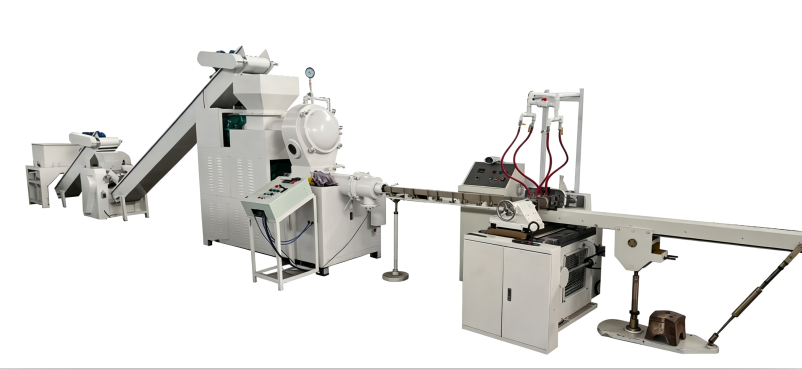
Subtitle: High-Efficiency, Turnkey Soap Manufacturing Solutions for Toilet, Laundry, and Commercial Soap Production
As a premier manufacturer and global exporter of industrial machinery, TJ Bright Machinery specializes in delivering robust, high-capacity, and fully automated industrial soap making machines. Whether you are expanding an existing soap production plant or establishing a new commercial manufacturing facility, our cutting-edge soap equipment is engineered to maximize output, reduce raw material waste, and guarantee consistent product density and texture.
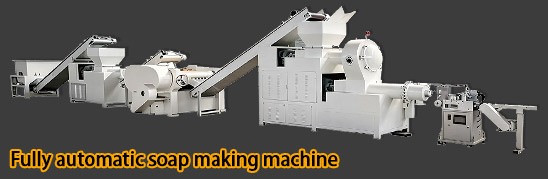
Our comprehensive machinery lineup covers every stage of the soap manufacturing process—from saponification and vacuum drying to plodding, cutting, and automatic packaging. Designed with precision European technology and constructed from high-grade stainless steel (SUS304/SUS316), our soap lines meet strict international quality and safety standards.
Flexibility is essential in modern soap manufacturing. TJ Bright’s industrial soap making equipment accommodates a wide range of raw materials (soap noodles, vegetable oils, tallow, and fatty acids) to produce various finished products:
Laundry Soap Production Lines: Heavy-duty plodders and extruders built to process high-viscosity formulations into durable, uniform laundry bars with clean cuts and solid density.
Toilet & Hotel Soap Machinery: Integrated vacuum plodders paired with high-precision stamping and chilled die-cutters, ensuring smooth surface finish, vibrant color blending, and long-lasting fragrance retention.
Translucent & Specialty Soap Lines: Customized temperature and pressure control systems designed to maintain clarity, texture, and aesthetic appeal for high-end cosmetic and translucent soaps.
To ensure your factory operates at peak operational efficiency with minimal downtime, our industrial soap machinery incorporates advanced engineering features:
Double Vacuum Plodder Technology: Eliminates air bubbles completely, producing dense, fine-textured soap bars that are resistant to cracking during long-term storage or tropical transport.
PLC Automated Control System: Intuitive touch-screen operation allowing precise control over temperature, extruding speed, cutting length, and stamping pressure.
Energy-Efficient Drive Systems: Equipped with high-torque gearboxes and energy-saving frequency inverters to reduce electrical consumption while maintaining continuous 24/7 output.
Hygienic & Corrosion-Resistant Build: All contact parts are crafted from food-grade stainless steel, ensuring compliance with global GMP and hygiene standards.
At TJ Bright Machinery, we don’t just supply standalone machinery—we deliver complete, end-to-end industrial solutions tailored to your floor space, power capacity, and target production volume (ranging from 500 kg/h to 3,000+ kg/h).
Our Turnkey Service Package Includes:
Plant Layout & Custom Engineering: Customized 2D/3D factory layout design tailored to your facility.
Raw Material Formulation Support: Guidance on soap noodle selection, additives, and extrusion parameters.
On-Site Installation & Commissioning: Senior overseas technicians to guide setup, testing, and operational training.
Global After-Sales & Spare Parts Supply: Fast-response technical support and ready-to-ship replacement parts to ensure uninterrupted production.
Empower your manufacturing facility with reliable, cost-effective, and scalable industrial soap making machinery. Contact our expert engineering team today to discuss your project requirements, request technical specifications, and receive a competitive factory-direct quote
Tianjin Bright Machinery Equipment Co., Ltd. is a leading manufacturer specializing in automatic soap-making machinery and pharmaceutical packaging equipment. With nearly two decades of expertise, our high-performance solutions range from soap processing lines (toilet and laundry soap) to capsule fillers, tablet presses, blister packing, and cartoning machines, widely serving the personal care, food, and pharmaceutical industries.Certified with ISO9001 and CE standards, we ensure premium quality, innovative technology, and full compliance with strict global standards. Driven by our philosophy—"Not the best, but better"—we offer tailor-made automation solutions, complete technical support, and dedicated after-sales services to clients across more than 100 countries worldwide.
Contact Person:Jenna Liu
Tel/WhatsApp:8615522869921
E-mail:emily@tjbrightmachine.com
Add: Yinzuo Building, No. 35, Second Avenue, Tianjin TEDA